After more than a decade of whispers, leaks, and speculative mockups, Apple is finally preparing to unfold its boldest move yet—literally. The tech giant is reportedly aiming to launch its first foldable iPhone in late 2026 or early 2027, and it’s shaping up to be the company’s most daring device since the original iPhone.
This isn’t just another gadget launch. This is a line in the sand. A calculated move to claim dominance over a segment Apple has watched cautiously as Samsung, Huawei, and Motorola took the early bruises. But now? The game is about to change.
Let’s dive into why Apple’s foldable iPhone could define the next decade of mobile innovation—and what that $2,000 to $2,500 price tag is really buying.
1. The Book-Style Brilliance: Slim, Strong, and Seamless
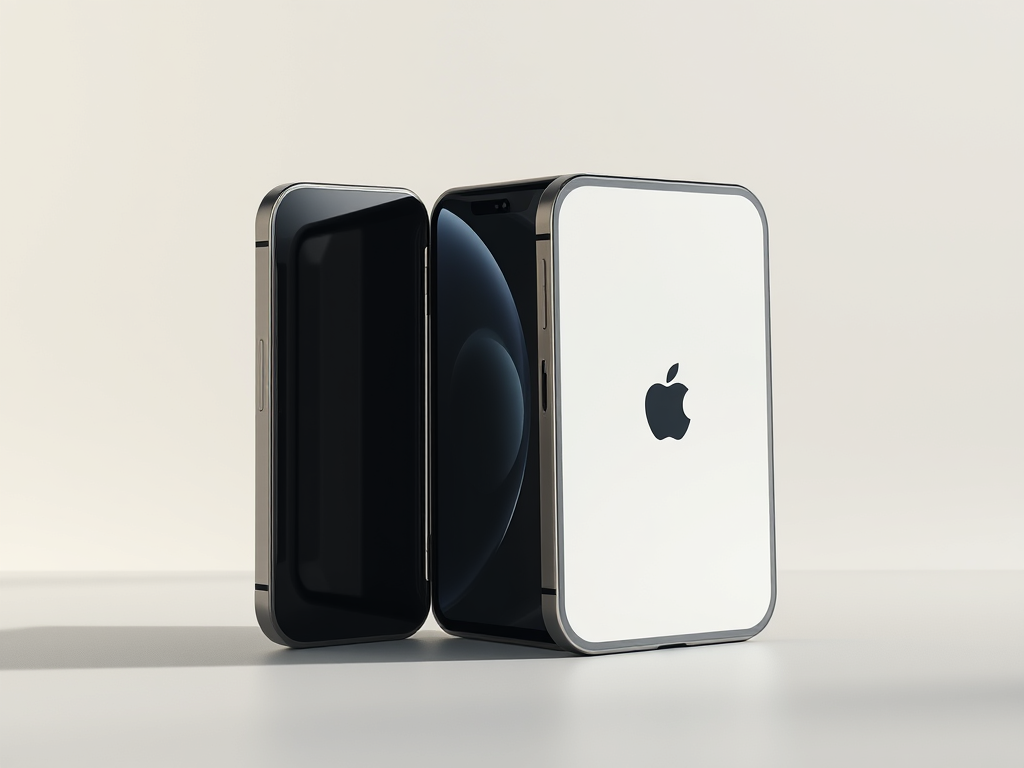
Forget the clamshell chatter. Apple’s first foldable iPhone will go the book-style route—like the Galaxy Z Fold, but thinner, smarter, and built like a tank. When opened, the device reveals a 7.8-inch crease-free display, evoking the experience of a tablet. When folded, it shrinks to a compact 5.5-inch screen, ideal for one-handed use.
That alone sets Apple up to dominate both worlds: iPhone and iPad. Why carry two devices when one can shape-shift with grace?
It’s not just about size—it’s about sensation. Apple is said to be using titanium, liquid metal, and a cutting-edge hinge system designed to minimize creases and maximize durability. The company’s legendary obsession with seamless design has led them to spend years solving the foldable industry’s biggest pain point: the ugly crease. Early prototypes suggest that when this thing opens, it won’t look like a folded paperback—it’ll look like magic.
2. Display to Dominate: Creaseless and Color-Rich
Let’s be clear: Apple didn’t rush into this space for a reason. Foldables today often feel like compromise devices—chunky, creased, or fragile. Apple’s rumored crease-free display will change that narrative.
This 7.8-inch OLED panel is expected to be bright, color-rich, and touch-responsive in all the right ways. And with Apple optimizing iOS 19 to handle vertical and horizontal orientations gracefully, the foldable experience won’t just feel novel—it will feel native.
Multitasking, gaming, reading, watching—you name it. It’s iPhone meets iPad mini in a new class of its own.
3. Cameras that Adapt, No Matter How You Fold It
Folded or flat, your photos will pop. Apple’s foldable will reportedly feature a dual-lens rear camera system and a front-facing camera for both modes.
Apple isn’t just transplanting its camera tech into a new form factor—it’s re-engineering the experience so that photography feels fluid, intuitive, and powerful whether you’re using it folded like a phone or opened like a tablet.
Expect smart enhancements that adjust depending on the orientation—FaceTime in widescreen, AI-enhanced selfies, and cinematic video editing powered by the A-series chip that will likely drive this beast.

4. Biometric Freedom: Enter Touch ID Again
Surprise, surprise. After years of Face ID dominance, Apple is circling back to a fan favorite: Touch ID. But this time, it’s integrated into the power button. With foldables demanding thinner profiles and a cleaner front face, this move makes sense.
Practical? Yes. Secure? Absolutely. Nostalgic? A little. But more than anything—it’s flexible, giving users authentication that works even when Face ID doesn’t.
5. Battery Smarts: Power That Lasts All Day (And Then Some)
A larger screen usually means a bigger appetite for power. Apple knows this. That’s why they’re reportedly packing the foldable iPhone with high-density battery cells and space-saving components, ensuring more room for battery without bulking up the body.
The result? A foldable phone that’s not tethered to an outlet. Whether you’re streaming Netflix on the big screen or jumping between work tasks, this device is expected to hold its own.
Battery anxiety? Not here.
6. A Price Tag That Makes You Gasp—Then Think
Let’s address the titanium elephant in the room: $2,000 to $2,500. That’s more than most people spend on laptops. But here’s the truth: Apple isn’t marketing this as just a phone. This is a converged device. It’s an iPhone. It’s an iPad. It’s your workstation, your entertainment hub, your camera, your secure ID system—all in one.
And with Apple’s ecosystem offering unmatched continuity (think AirPods, Watch, Mac, iCloud), this device isn’t a splurge. It’s a stake in the future.
Will everyone buy it? No. But early adopters, prosumers, creatives, and hardcore Apple fans? You bet. Analyst Ming-Chi Kuo expects Apple to ship 3 to 5 million units at launch—and possibly up to 20 million in the second generation.
7. The Competition: Samsung, Huawei, and the Race for Foldable Supremacy
Apple may be late to the foldable party, but the timing may be just right. According to IDC, 19.3 million foldable phones were sold in 2024, a tiny sliver of the 1.4 billion smartphones shipped globally. But the growth trajectory is clear—and Apple’s arrival could catalyze a market explosion.
Samsung leads today, but if Apple gets the foldable formula right, it won’t just compete—it’ll define the standard.
8. Beyond the iPhone: A Foldable iPad is Coming Too
Hold onto your seats, because Apple isn’t stopping with just one foldable. Bloomberg reports that a foldable iPad may also be in the works, opening into a dual-iPad-Pro-sized screen for an ultra-premium tablet experience.
Imagine folding open what looks like a hardcover book and revealing two glowing iPad Pros joined into one seamless canvas. Artists, coders, media junkies—this could be your dream machine.
Final Verdict: This is More Than a Product. It’s a Power Move.
The foldable iPhone isn’t just Apple catching up. It’s Apple reimagining the category with its signature mix of premium hardware, thoughtful software, and a relentless focus on user experience.
If Apple delivers on the promise of a creaseless display, optimized iOS, powerful cameras, biometric versatility, and an all-day battery—all wrapped in titanium elegance—this could be the moment foldables go from fringe to future.
The $2,500 price? It won’t matter. Apple’s bet is that enough people want the best—and are willing to pay for it. And they’re probably right.
As we approach 2026, one thing is clear: the foldable wars are about to get their main character.