Bridging Continents: The Fehmarn Belt Tunnel Project
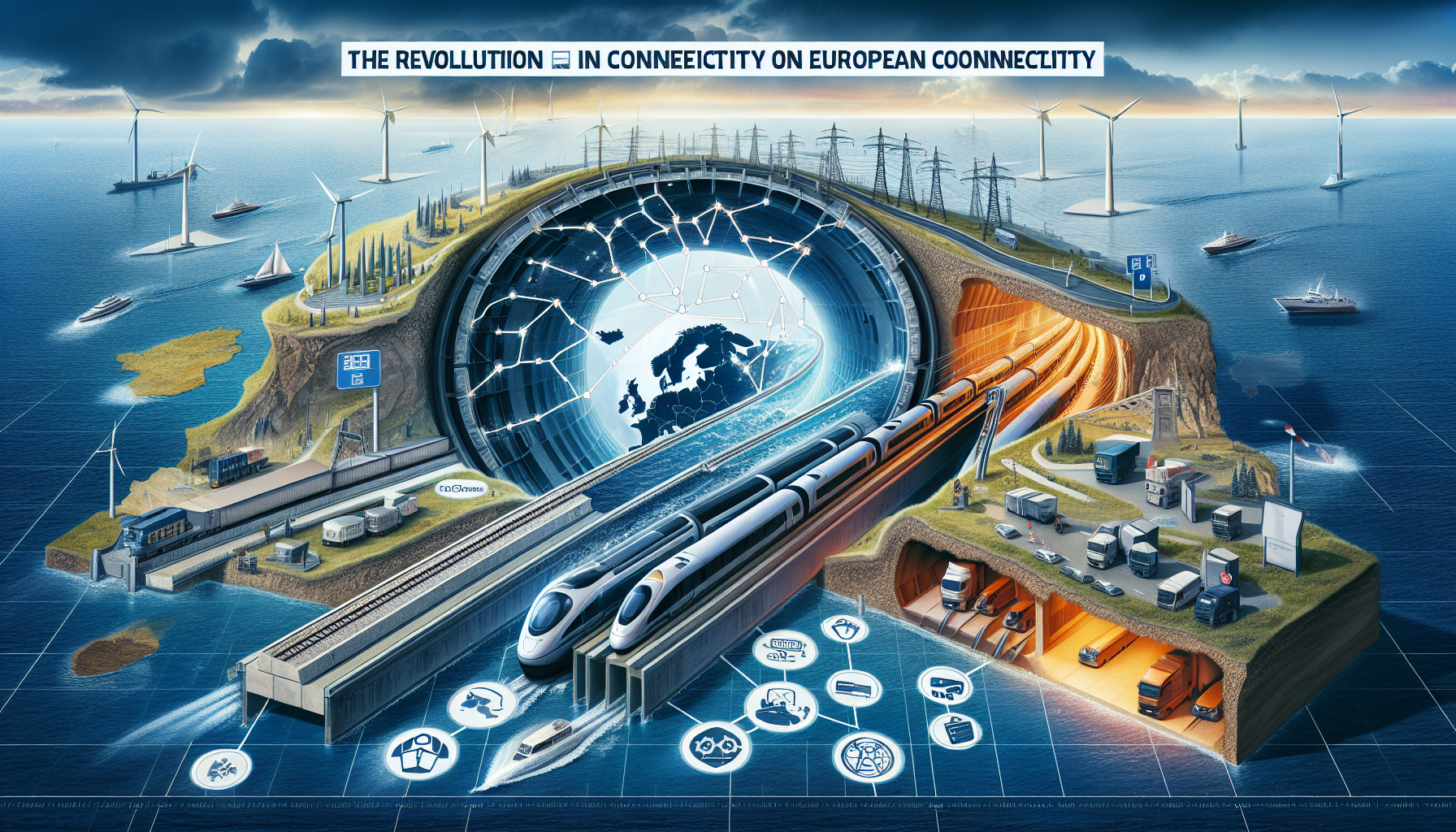
Imagine cruising beneath the Baltic Sea, cutting your travel time from Copenhagen to Hamburg by almost half. It sounds like a concept straight out of a futuristic novel, but it's happening right now, thanks to the Fehmarn Belt Tunnel. This €7 billion marvel isn't just breaking records as the world’s longest prefabricated road and rail tunnel; it's fundamentally changing the way we think about European connectivity.
Stretching a jaw-dropping 18 kilometers under the frigid waters between Denmark and Germany, the Fehmarn Belt Tunnel is set to redefine travel across Scandinavia and Central Europe. For those of us who dread the monotonous four-and-a-half-hour journey, the promise of a quick 10-minute car ride or a seven-minute train transit is an absolute game-changer. Goodbye, lengthy ferry rides! Hello, streamlined European transport!
But hold on, the Fehmarn Belt isn't just about shaving travel times. The engineering feats behind this construction are something to pore over. Picture this: prefabricated 73,000-ton steel-and-concrete segments lining up precisely beneath the sea, thanks to state-of-the-art placement systems like the “pin and catch” mechanism. It's meticulous, innovative, and perhaps a glimpse into the future of civil engineering.
Function meets sustainability here. By curbing the reliance on ferries and encouraging direct transit, the project promises a cut in carbon emissions. That's right—less sea traffic means a substantial decrease in our carbon footprint, aligning with the EU’s vigorous sustainability targets. This isn’t just infrastructure; it's a beacon of what sustainable progress could look like, marrying economic gain with environmental responsibility.
But what does all this mean on the ground? It's more than just convenience for commuters. By easing travel between Denmark and Germany, there's an anticipated ripple effect—a boost in trade, tourism, and regional economic dynamism. We're talking a potential surge in local business opportunities, investments, and a tangible increase in economic productivity.
In terms of European integration, the tunnel is more than a physical connector; it's a testament to the EU's broader ambition for a tightly-knit continent. By enhancing north-south transportation, it fosters not just connectivity, but collaboration, pushing the envelope for future pan-European infrastructure endeavors.
Could this project redefine European transportation paradigms? Absolutely. It’s infrastructure not just for today, but for the path ahead—showcasing how thoughtful engineering can offer solutions to both regional and global challenges.
So next time you hit that fast track between Denmark and Germany, take a moment to appreciate the blend of groundbreaking engineering and sustainability beneath the Baltic Sea—a true marvel of modern-day connectivity. What's next in infrastructure evolution? Only time will tell, but the Fehmarn Belt Tunnel surely sets a high bar.